
Free to play casino apps have become a quiet fixture on Australian phones, especially after a long day in Sydney when you just want something light to tap through. These platforms let you spin, deal, and roll without handing over cash, which sounds harmless enough until you notice how closely some of them mirror real-money lobbies. As a consumer affairs reporter who has spent years watching how betting platforms talk to players, I reckon the real story is less about the games and more about what the free layer teaches you before any deposit ever appears. Below is a practical walkthrough of how a player actually encounters these apps, what the mechanics do to your habits, and where the transparency gaps tend to sit.
How a player first meets the app and what sits behind it
Most people stumble into free to play casino apps through a social feed or a mate’s recommendation, not through a deliberate search for a licensed venue. The onboarding usually asks for an email, a password, and sometimes a postcode, then drops you straight into a lobby that looks polished and busy. What you are seeing is a curated selection of slots and table titles, often powered by familiar providers, but the currency on screen is virtual coinage rather than dollars. The single-zero pocket on a European wheel is coloured green, and that kind of visual detail matters because it signals how closely the free version mimics the real thing, which in turn shapes how quickly a player starts treating the play money as if it had weight.
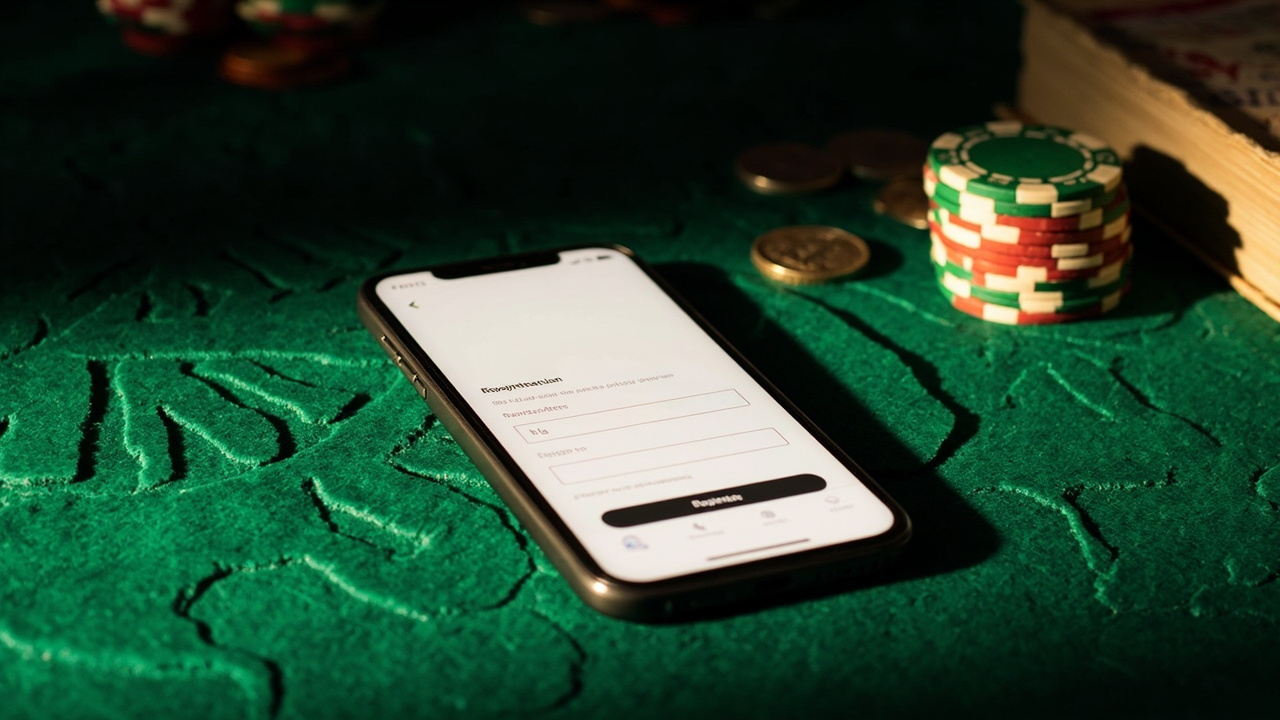
The registration flow is deliberately light, and that is part of the design rather than an oversight. You will not be asked for identity documents at this stage, because the app is not processing real wagers, but the same smooth handoff that makes sign-up painless also makes it easy to forget you are still in a practice environment. Mobile performance tends to be the headline feature, with quick loads and tap-friendly controls that feel natural on a commute or an arvo break. Support is usually a chat widget or a help centre that handles the usual questions about virtual balance resets and demo modes, though the responses can feel scripted when you push for clearer explanations of how the free economy actually works.
From a consumer standpoint, the key thing to watch is how the app positions itself in its own copy. Some platforms are honest that they are a practice layer, while others lean on language that blurs the line between free play and real-money readiness. Alice Watson, Managing Partner, Southern Reef Gaming, has noted that the clearest free-to-play products spell out their demo status in plain terms before the first spin, because players who understand the sandbox nature of the app make better decisions about whether they want to move anywhere else. That kind of transparency is not universal, and it is worth checking the terms or help pages before you assume the virtual coins carry any real-world meaning.
What the bonus mechanics do and how wagering shapes behaviour
Once you are in, the app usually nudges you toward a welcome-style bonus in virtual currency, and the structure often mirrors what you would see in a real-money promotion. You might get a lump sum of demo credits, a matching boost on your first virtual deposit of play money, or a daily login reward that keeps the balance topped up. The catch is that these bonuses come with their own internal rules, and those rules are where player experience starts to diverge from what the marketing implies. Wagering requirements on demo credits are not about cashing out, because there is no cash to cash out, but they do train you to chase turns, reload, and stay in the lobby longer than you planned.
Eligibility is usually broad, with age gates and location checks that are lighter than the verification you would face at a licensed operator. Contribution rules on different games can vary even in free play, with some titles counting fully toward progress and others counting only a fraction, which is a detail that many players miss until they are trying to clear a virtual bonus. Limits are often set on how much demo credit you can accumulate or how many free rounds you can trigger in a session, and those caps are meant to keep the economy balanced rather than to protect you, which is a distinction worth keeping in mind. Recurring promos like weekly challenges or seasonal events keep the loop going, and they can be genuinely entertaining if you treat them as a pastime rather than a rehearsal for real-money play. thepokies casino
Hannah Green, Head of Product, Capital Territory Gaming Forum, has pointed out that the way free bonuses are structured can quietly shape how players think about risk, because the same reward patterns that work in demo mode can carry over into expectations when real money enters the picture. That is not a reason to avoid free to play casino apps, but it is a reason to notice how the bonus language is written and whether it frames the play as a game of patience or a path to something more. If the app talks up near-misses, streak bonuses, or escalating rewards without making the demo nature obvious, you are looking at a product that is doing more than just letting you pass the time.
Where transparency and support actually matter for Australian players
The practical implications for Australians are fairly concrete, even though free to play casino apps sit outside the licensed gambling framework here. These products are not regulated as gambling in Australia, and that means the protections you would expect from a licensed operator do not automatically apply, so the burden of checking what you are looking at falls on you. For players in Sydney and elsewhere, the main thing is to treat the free layer as what it is: a way to learn interfaces, test preferences, and kill time, not a rehearsal for depositing or a substitute for a properly licensed environment. If an app starts to feel like it is steering you toward a real-money sister site, that is a signal to slow down and read the terms rather than follow the prompt. Как играть в онлайн-рулетку разумно и
Payments and currencies in free-to-play mode are usually virtual only, which sounds simple until you see how some apps layer in upsells, subscription-style boosts, or ad-supported extras that keep the balance flowing. Registration is lightweight, mobile play is smooth, and loyalty features like levels or badges can make the experience feel sticky, but none of that changes the fact that you are still in a practice environment. Charlotte Collins, Affiliate Partnerships Director, Ironbark Compliance Advisory, has observed that the clearest free-to-play products keep their demo status visible at every step, because players who can tell the difference between virtual play and real-money play are less likely to blur the two by accident. That kind of clarity is the difference between a harmless pastime and a product that quietly trains habits you did not sign up for.

What this means for Australians is straightforward: free to play casino apps can be a useful way to get comfortable with game layouts, bonus language, and session pacing without putting money on the table, but they are not a protected or licensed gambling product here. The sensible move is to treat the virtual economy as virtual, watch how the bonus mechanics nudge you, and keep the line between free play and real-money play visible in your own head. If you are using these apps to settle into a hobby rather than to prep for a deposit, they can fit that role without much fuss, and that is really the most honest way to read them.